Understanding Energy Storage Systems
Energy storage systems (ESS) are critical components in the landscape of commercial and industrial energy management. They enable the efficient utilization of energy produced during periods of low demand and store it for use during peak demand times. This capacity to store and regulate energy makes them pivotal in enhancing grid reliability and maximizing the benefits of renewable energy sources.
There are several types of energy storage systems available, each tailored to different industrial needs. One prominent category is battery energy storage, which encompasses various technologies such as lithium-ion, lead-acid, and flow batteries. These systems are advantageous for their ability to provide rapid response times and their scalability, making them suitable for a wide range of applications, from small businesses to large manufacturing facilities.
Another type of energy storage is flywheel technology, which utilizes kinetic energy to deliver short bursts of power when necessary. Flywheels are especially effective for applications requiring high power output for brief periods. In contrast, pumped hydro storage relies on gravitational potential energy, utilizing water reservoirs to store energy. This method is particularly effective for large-scale applications and has been a staple in energy storage for decades.
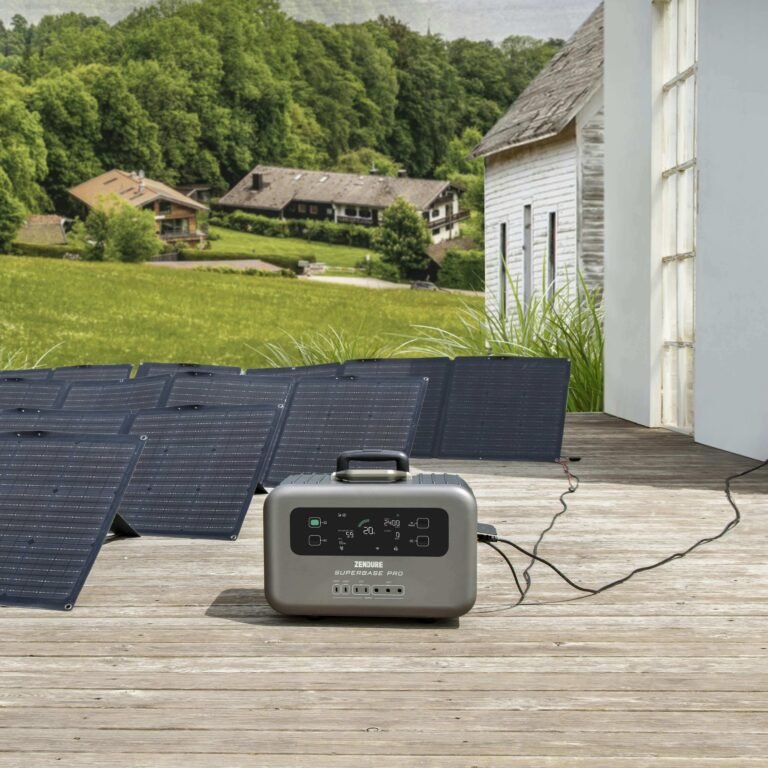
Energy storage systems are integral to facilitating the integration of renewable energy sources, such as solar and wind. By storing excess energy generated during peak production times, these systems ensure that energy is available even when generation wanes, thus enhancing energy reliability and resilience. Furthermore, they play a vital role in peak load management, helping facilities mitigate costs associated with high demand during peak periods. Ultimately, energy storage systems are essential in a transitioning energy landscape, providing the flexibility and reliability needed to support sustainable energy practices.
Benefits of Energy Storage for Commercial and Industrial Use
Energy storage solutions offer a multitude of advantages for commercial and industrial settings, playing a pivotal role in enhancing operational efficiency and sustainability. One of the primary benefits is cost savings. By implementing energy storage systems, businesses can store energy during off-peak hours when rates are lower and utilize it during peak demand times. This strategy reduces energy costs significantly, allowing companies to allocate their resources more effectively.
Moreover, energy storage enhances energy reliability. In an era of frequent power outages and grid instability, having a robust energy storage system ensures that businesses can maintain operations without interruption. This reliability is particularly crucial for industries where downtime can result in substantial financial losses, such as manufacturing and healthcare.
Another compelling reason to adopt energy storage is its contribution to sustainability efforts. With the growing focus on reducing carbon emissions and adopting greener practices, businesses can utilize energy storage to integrate renewable sources like solar and wind into their operations. Energy storage systems help mitigate the intermittency of these renewable sources, allowing companies to achieve their sustainability goals while simultaneously reducing their overall energy footprint.
Compliance with regulatory standards is another significant advantage. As governments implement stricter regulations on energy consumption and emissions, energy storage systems can help businesses meet these increasingly demanding requirements. For example, a manufacturing firm that installed an energy storage solution in conjunction with solar panels was able to reduce its grid dependency by 50%, leading to compliance with local environmental standards.
Incorporating energy storage is not just a technological upgrade; it is a strategic move. Businesses that have successfully integrated these systems often report significant financial and operational advantages, establishing them as leaders in their respective industries. Integrating these systems can lead to enhanced resilience, sustainable growth, and a competitive edge in a rapidly evolving marketplace.
Energy Storage Technologies: A Comparison
Energy storage systems play a pivotal role in the effective management of energy across commercial and industrial applications. In this section, we will explore various energy storage technologies, including lithium-ion batteries, flow batteries, compressed air energy storage (CAES), and emerging alternatives, to help organizations understand their functionalities, benefits, and limitations.
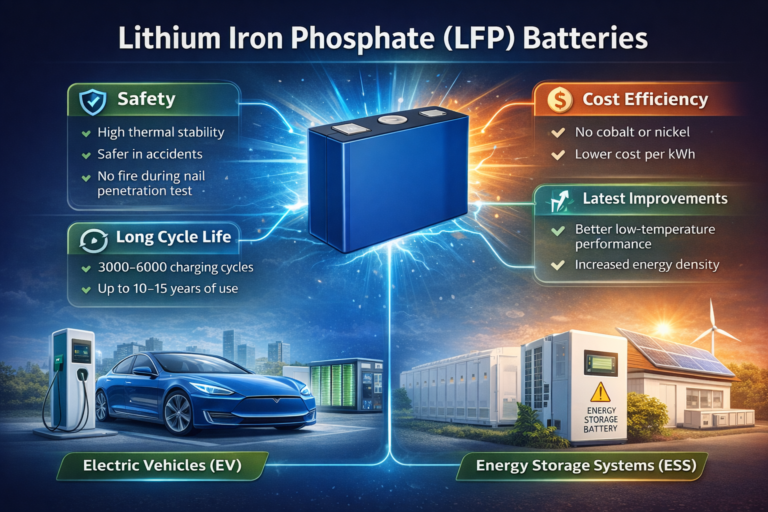
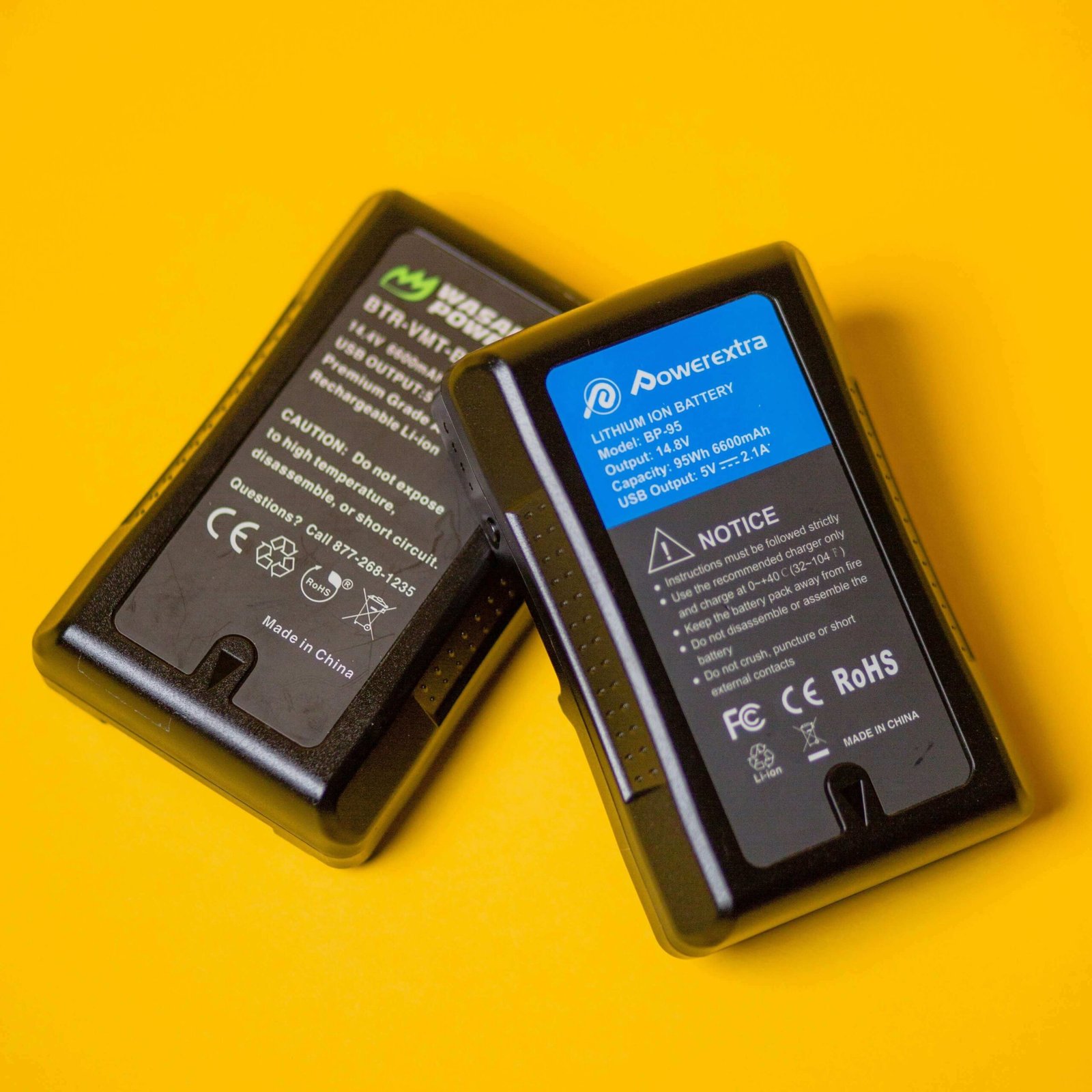
Lithium-ion Batteries are currently one of the most prevalent energy storage options due to their high energy density and efficiency in energy conversion. These batteries can deliver rapid power on demand and have a relatively long lifespan when properly managed. However, lithium-ion batteries come with certain drawbacks, such as high cost, environmental concerns related to mining, and thermal runaway risks. Their suitability is often tied to applications requiring high power output and compact design.
Flow Batteries, on the other hand, are gaining attention for their scalability and long-duration energy storage capabilities. Unlike lithium-ion systems, flow batteries store energy in liquid electrolyte solutions, offering flexible output sizes. While they can be more affordable over extensive lifespans, their lower energy density compared to lithium-ion batteries may limit their application in space-constrained environments.
Compressed Air Energy Storage (CAES) provides another intriguing solution, ideal for large-scale energy storage requirements. This technology employs excess energy to compress air in underground caverns, which can be released to drive turbines during peak demand. CAES is environmentally friendly but often requires substantial initial investment and suitable geological formations. Also, the efficiency of CAES can be a concern, usually lower than other battery technologies.
Additionally, emerging technologies like solid-state batteries and sodium-ion batteries may address many existing limitations. As organizations weigh their energy storage options, considering specific operational contexts, available space, and long-term energy needs will be integral to selecting the most effective system.
Future Trends in Energy Storage Systems
The evolution of energy storage systems within commercial and industrial sectors is poised to undergo significant transformation in the coming years. A key aspect driving this change is the rapid advancement of technology. Innovations in battery chemistry, such as the development of solid-state batteries, are predicted to enhance energy density and safety, making storage solutions more efficient. These advancements will likely increase the adoption of energy storage systems, as businesses seek to optimize their energy management strategies.
Market trends also indicate a rising interest in energy storage technologies, spurred by growing consumer demand for sustainability and the need for reliable power sources. As businesses recognize the cost-saving potential of these systems, investment in energy storage is expected to increase. Furthermore, the declining cost of renewable energy sources, coupled with advancements in energy storage, is creating an increasingly favorable landscape for the adoption of integrated systems that combine energy generation and storage.
The role of government and industry policy cannot be overstated in shaping the future of energy storage systems. Governments worldwide are implementing strategies to accelerate the transition to renewable energy, which often includes incentives for energy storage deployment. Policies that encourage the use of smart grid solutions may enhance the capability of energy storage systems, allowing businesses to better manage their consumption and integrate with other energy assets efficiently.
Looking ahead, the integration of artificial intelligence (AI) into energy storage systems is expected to revolutionize the way these systems operate. AI can optimize energy storage, leading to more precise charging and discharging cycles, which could maximize efficiency and operational savings. Additionally, the development of predictive analytics can help businesses better anticipate energy demands, thereby enhancing their resilience against outages and fluctuations in energy supply.
As innovations continue to unfold, businesses must stay informed about the future trends in energy storage to leverage these technologies effectively. The convergence of advanced technologies, evolving market dynamics, and supportive policies will undoubtedly play a pivotal role in defining the future landscape of commercial and industrial energy storage systems.