As electric vehicles (EVs) and energy storage systems (ESS) continue to expand globally, choosing the right battery technology has become a critical decision for buyers. Among the available options, Lithium Iron Phosphate (LiFePO₄ or LFP) batteries have rapidly gained popularity due to their strong balance of safety, cost efficiency, and long-term reliability.
This article provides a clear and professional overview of LFP batteries, compares them with NCM/NCA batteries, and explains why they are increasingly becoming the preferred choice in 2024 and beyond.
1. What Are LFP Batteries?
Lithium Iron Phosphate (LFP) batteries are a type of lithium-ion battery that uses iron phosphate as the cathode material.
Key Characteristics:
– Stable chemical structure
– Lower energy density compared to some alternatives
– Strong thermal and chemical stability
Unlike nickel-based batteries (NCM/NCA), LFP batteries do not rely on expensive or scarce metals like cobalt and nickel. This makes them more sustainable and cost-effective.
2. Key Advantages of LFP Batteries:
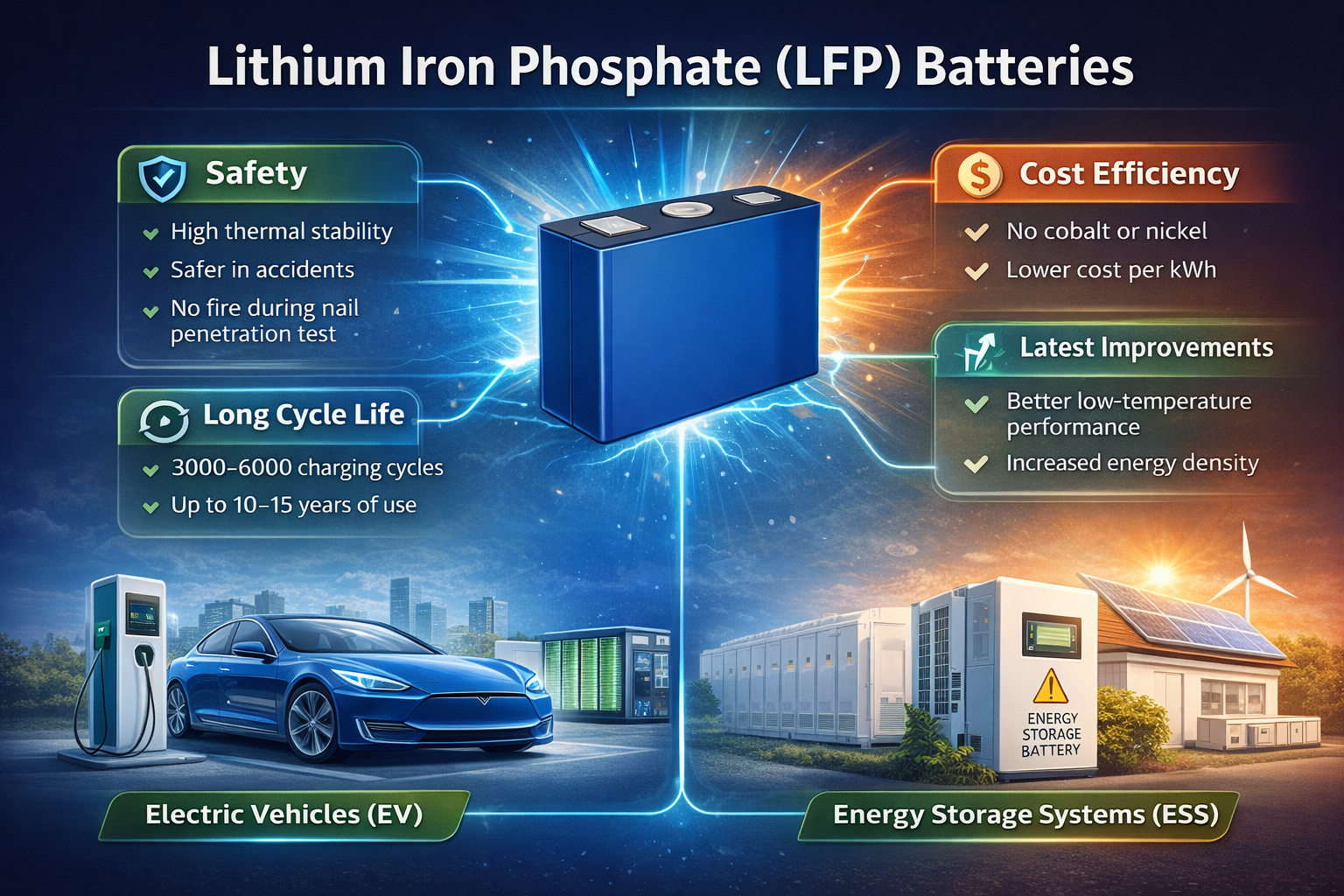
2.1 Superior Safety
Safety is one of the most important factors for both EV users and energy storage systems.
LFP batteries offer:
– High resistance to **thermal runaway**
– No oxygen release at high temperatures
– Excellent results in **nail penetration tests** (no fire or explosion in most cases)
Why this matters:
– Safer for residential and commercial installations
– Lower risk in vehicle collisions
– Higher compliance with safety standards
2.2 Long Cycle Life
LFP batteries are known for their durability.
– Typical cycle life: 3,000–6,000 cycles
– Lifespan: 10–15 years
Benefits:
– Reduced replacement frequency
– Lower long-term costs
– Ideal for high-usage applications (e.g., fleets, solar storage)
2.3 Cost Efficiency
Cost is a major driver behind LFP adoption.
Advantages:
– No cobalt or nickel → lower raw material cost
– More stable pricing
– Lower cost per kWh
Typical comparison:
– LFP: ~$70–90/kWh
– NCM: ~$100–130/kWh
3. LFP vs NCM/NCA Batteries:
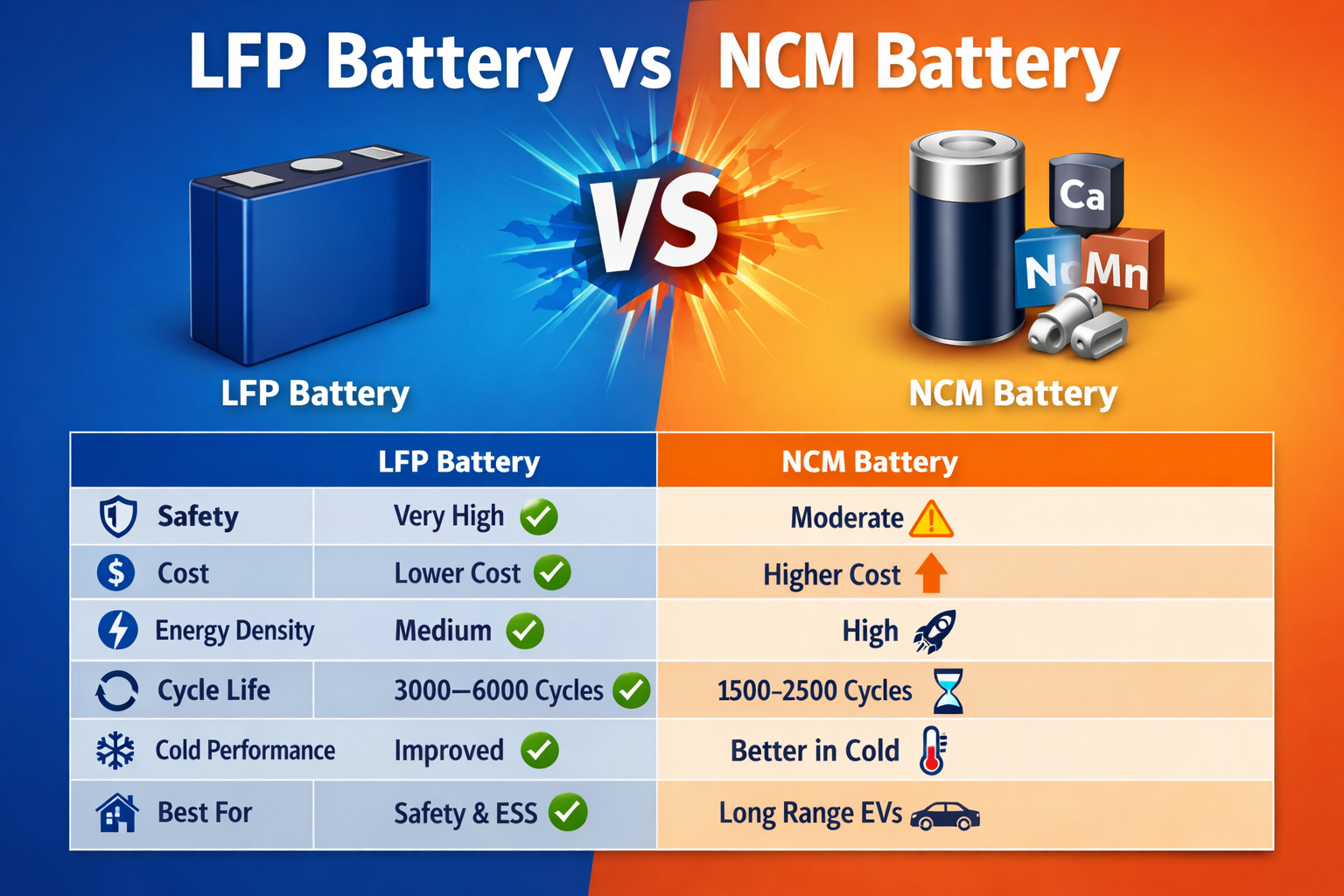
3.1 Safety Comparison
– LFP Batteries:
– Excellent thermal stability
– Very low fire risk
– Safe in nail penetration tests
– NCM/NCA Batteries:
– Higher energy reactivity
– Greater risk of thermal runaway
– More sensitive to overcharging
3.2 Cost Comparison
– LFP:
– Lower material cost
– Stable supply chain
– NCM/NCA:
– Higher cost due to nickel and cobalt
– Price fluctuations due to global supply
3.3 Energy Density
– LFP:
– Lower energy density
– Suitable for standard-range EVs and ESS
– NCM/NCA:
– Higher energy density
– Better for long-range EVs
3.4 Cycle Life
– LFP:
– 3,000–6,000 cycles
– NCM/NCA:
– 1,500–2,500 cycles
3.5 Cold Weather Performance
– LFP (modern systems):
– Improved significantly
– Slightly lower performance in extreme cold
– NCM/NCA:
– Better low-temperature discharge
– Higher safety risk during cold fast charging
LFP batteries are widely used in:
– Standard-range electric cars
– Urban mobility vehicles
– Commercial fleets
Energy Storage Systems (ESS)
LFP batteries are ideal for stationary storage:
– Residential solar storage
– Commercial and industrial ESS
– Grid-scale energy storage
Why LFP fits ESS:
– High safety for indoor installation
– Long service life
– Stable long-term performance
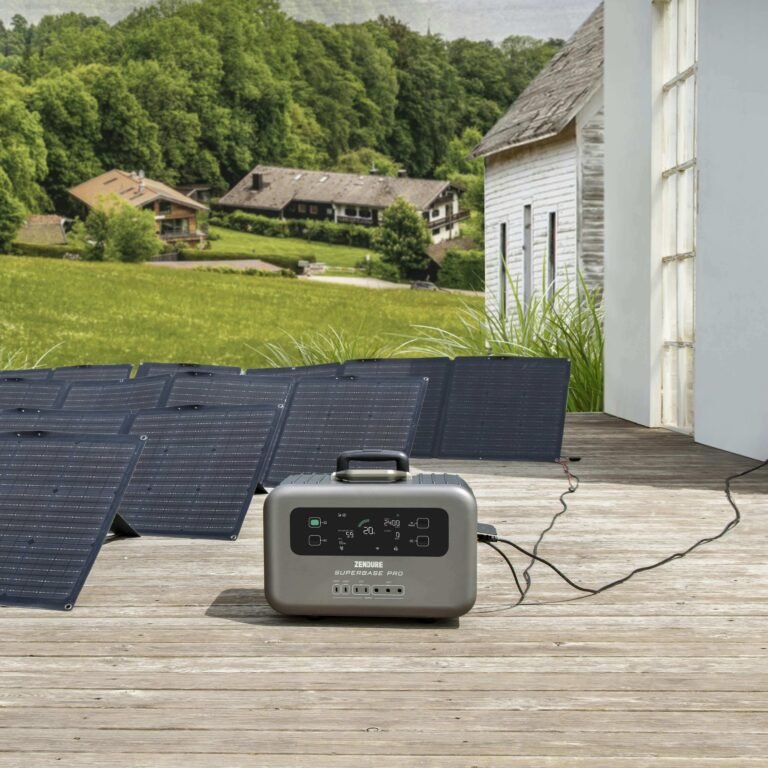
Solar Energy Systems
In solar applications, LFP batteries provide:
– Reliable daily cycling
– Strong compatibility with inverters
– Low maintenance requirements
—
Historically, LFP batteries struggled in cold climates. However, recent innovations have improved performance: