Understanding Power Outages and Their Causes
Power outages are unexpected interruptions in the supply of electricity, which can occur for a variety of reasons. Among the primary contributors to power outages are extreme weather conditions. Heavy storms, hurricanes, and blizzards can bring down power lines and disrupt service. For instance, lightning strikes can directly hit substations or transformers, causing immediate outages to thousands of homes.
Natural disasters also play a significant role in causing power outages. Earthquakes and flooding can both damage infrastructure essential for electricity distribution. During such events, utility companies often prioritize safety and restoration efforts; therefore, power may be out for extended periods in severely affected areas, leaving residents without essential services.
Aging electrical grids represent another critical factor. Many countries rely on infrastructure that has not been significantly updated in decades. These outdated systems are susceptible to failures and can’t handle the increasing demand for electricity, often resulting in system overloads and outages. The lack of maintenance can exacerbate the situation, causing delayed responses when outages occur.
Additionally, equipment failures, either due to mechanical malfunction or human error, can lead to loss of electrical service. Factors such as improper maintenance or defective equipment can contribute to these failures, highlighting the importance of regular inspections and upgrades in the electrical infrastructure.
The consequences of power outages can be severe, especially for individuals who rely on electricity for medical devices, heating, or food preservation. Being unprepared for power outages can lead to significant discomfort and safety risks during prolonged outages. Therefore, it is vital to understand their causes to implement adequate home backup solutions and prepare for future events.
The Importance of Home Backup Power Solutions
Power outages can happen unexpectedly and can significantly disrupt daily life, impacting various critical systems within a home. Thus, having a reliable home backup power solution is essential. When the electricity supply is cut off, one of the first concerns is how to maintain essential functions such as heating or cooling systems, as well as refrigeration to preserve food and medicines. For many households, these are not merely conveniences but necessities that ensure health and safety.
Heating systems, especially in colder climates, are crucial during winter months. A loss of heat not only makes for uncomfortable living conditions but can lead to severe health risks. Similarly, air conditioning in the hot summer months can be vital, particularly for individuals with respiratory issues or other health concerns, making a backup power solution life-saving in certain situations. Refrigeration is another critical need; without power, food can spoil quickly, leading to waste and potential health hazards due to consuming spoiled items. Moreover, individuals relying on medical devices, such as oxygen concentrators or other electrically operated equipment, require consistent power to maintain their well-being.
Beyond maintaining essential functions, the peace of mind that comes from being prepared cannot be overstated. Families who have a backup power supply in place are more equipped to handle unexpected outages calmly and safely. This preparedness extends beyond mere comfort; it safeguards the overall welfare of family members, contributing to a sense of security during uncertain times. Therefore, investing in a home backup power solution is a prudent decision that reflects a commitment to proactive care, ensuring that essential needs are met when it matters most.
Comparing Home Battery Backup Systems and Backup Generators
When considering how to handle power outages, home battery backup systems and backup generators emerge as two popular solutions. Each of these options has its pros and cons, which can significantly influence the decision-making process for homeowners.
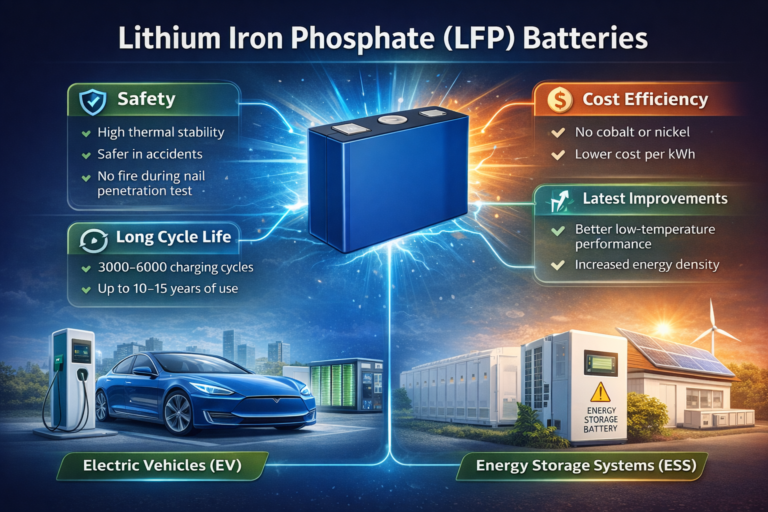
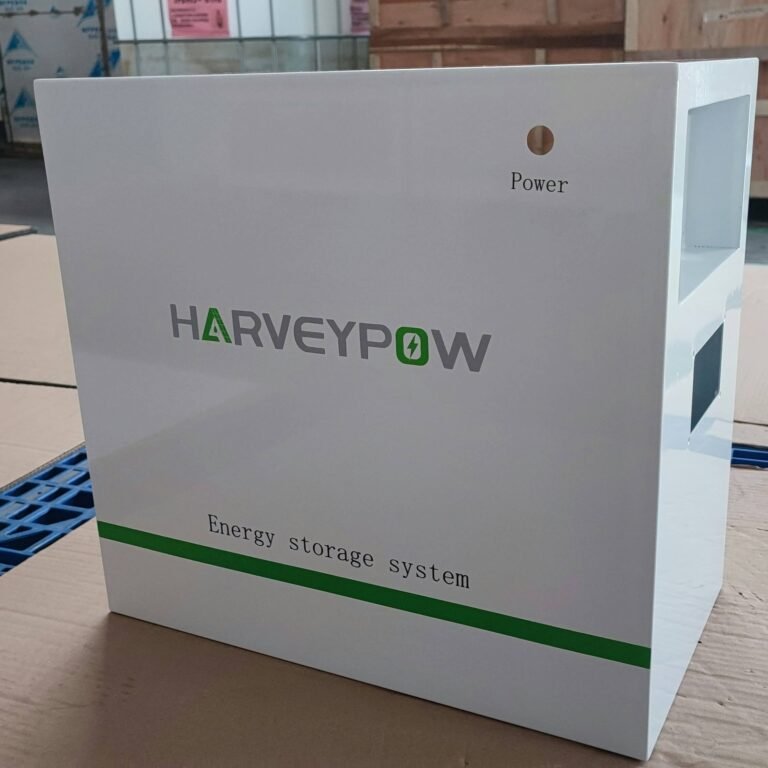
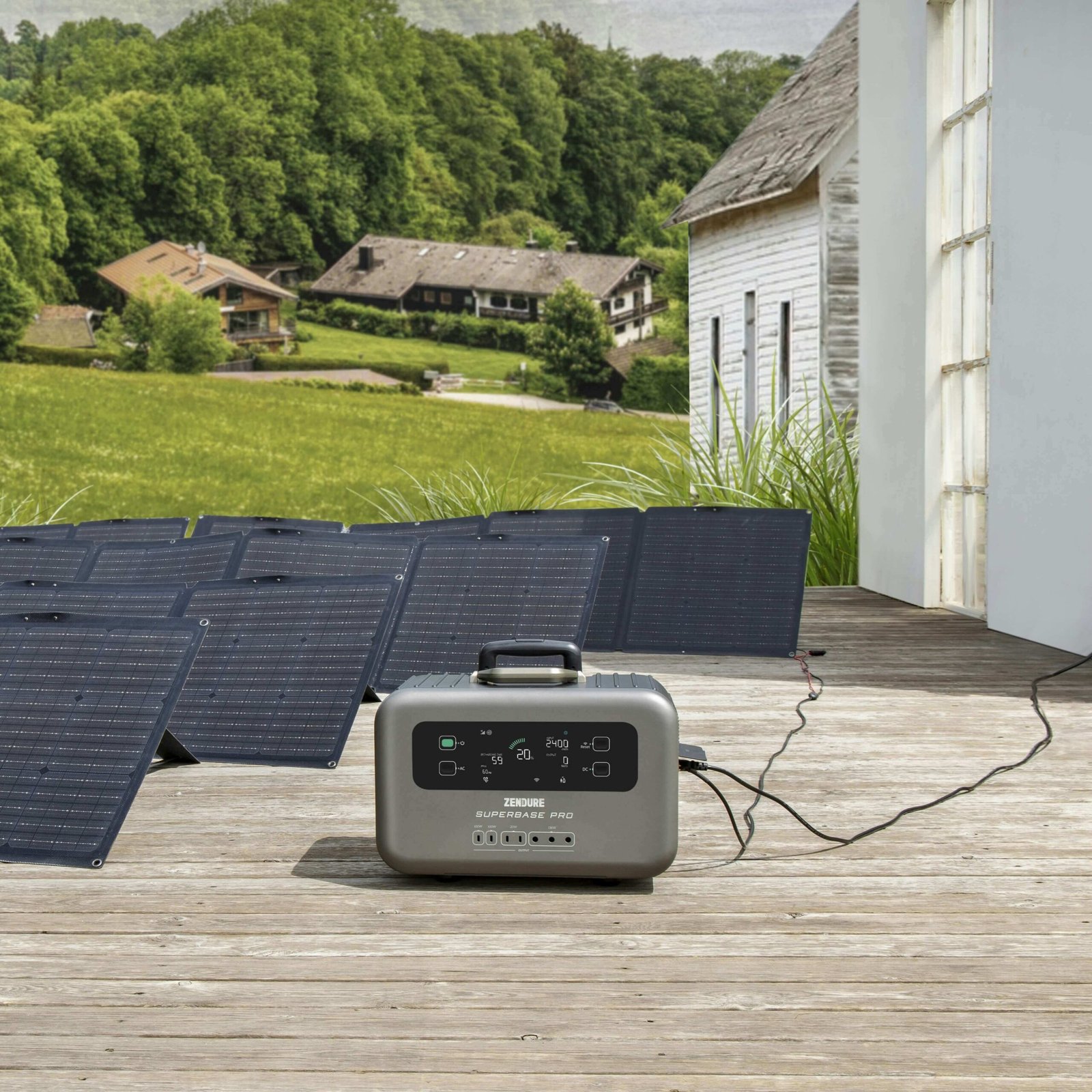
Home battery backup systems offer a clean and quiet solution, allowing for the storage of energy from the grid or solar panels for use during outages. One key advantage is their minimal maintenance, as they require no fuel storage or engine maintenance. Additionally, home battery systems are generally more energy-efficient, converting stored electrical energy directly into usable power for household devices. However, their capacity is often limited, which may not support large appliances for extended periods. The installation process can be straightforward but may require professional assistance, especially when integrating solar panels.
On the other hand, backup generators are powerful units capable of running multiple appliances, including heat, air conditioning, and more, depending on their output capacity. They can operate for longer durations compared to battery systems, particularly those powered by gasoline or propane. Despite this, backup generators come with ongoing maintenance costs and require fuel storage, which can pose logistical and safety challenges. Installation might involve outdoor placement and electrical connections that adhere to specific local codes, requiring professional installation for safety and compliance.
Cost is another critical factor to consider. Home battery backup systems typically involve a higher upfront investment but may lead to savings through reduced energy costs over time. In contrast, backup generators can have lower initial costs but may incur additional fuel costs in ongoing use. Evaluating the types of power outages one experienced and the needs for reliable electricity will ultimately guide homeowners in choosing the best solution for their circumstances.
Making the Right Choice for Your Home
When considering a backup power solution for your home, it is crucial to evaluate several essential factors that will guide your decision-making process. One primary consideration is your power requirements. Begin by analyzing your household’s energy consumption during a power outage. Certain appliances, such as refrigerators, heating systems, and essential medical devices, may require constant power. Understanding the wattage needs of these appliances will enable you to select a backup power source that can support them consistently.
Budget constraints also play a critical role in your decision. Backup power solutions can range significantly in price, from portable generators to whole-house systems. Therefore, setting a realistic budget will help narrow your options and ensure you choose a solution that meets your needs without compromising your financial stability. Remember that while initial costs are significant, you should also consider ongoing maintenance and fuel expenses associated with the chosen power solution.
Space constraints within your home must be addressed as well. Consider where you will store your backup solution, particularly for larger systems that may require a dedicated space. Portable generators can offer flexibility, but they also require proper ventilation during operation to ensure safety. Effectively gauging the available space for your chosen system will prevent future complications.
Usage frequency is another essential factor. If you live in an area prone to frequent power outages, investing in a more permanent solution such as a standby generator may be wise. Alternatively, if outages are rare, a portable generator may suffice. Ultimately, assess your unique circumstances, keeping in mind the frequency of outages and your family’s specific needs.
Consulting with professionals can also provide significant insights tailored to your situation. Their expertise can help evaluate your power needs, recommend appropriate systems, and navigate the installation process. Engaging with specialists ensures that you make an informed choice that caters to your home and family, optimizing both safety and functionality.